

Many people associate vascular problems with varicose veins or other visible concerns, but vascular disease can affect much more than your appearance. Your vascular system carries blood throughout your body, and when your circulation is impaired, it can lead to serious health complications in many different areas.
Unfortunately, vascular conditions often develop gradually and go undiagnosed until the symptoms become painful or dangerous. Knowing when to see a vascular surgeon can help you receive an early diagnosis and treatment before problems progress.
At Shaheen Vascular, patients receive advanced care for both common and complex vascular conditions, including varicose veins, spider veins, deep vein thrombosis, clogged arteries and other circulation-related concerns.
What Does a Vascular Surgeon Treat?
A vascular surgeon specializes in diagnosing and treating conditions that affect the arteries, veins, and lymphatic system. These specialists manage both cosmetic and medically necessary vein and artery conditions using minimally invasive techniques and traditional surgical procedures when needed.
Common vascular conditions include:
- Varicose veins
- Spider veins
- Deep vein thrombosis (DVT)
- Peripheral artery disease
- Vein blockage
- Clogged arteries
- Chronic venous insufficiency
- Leg swelling and poor circulation
- Aneurysms
- Carotid artery disease
Many patients are surprised to learn that symptoms such as leg pain, heaviness, swelling, numbness or skin discoloration may actually be signs of an underlying vascular issue.
What Are Signs You Should See a Vascular Surgeon?
While some vascular concerns are cosmetic, others may indicate serious circulation problems that require medical attention. Here are some common signs that it may be time to schedule an evaluation with a vascular surgeon.
Persistent Leg Pain or Cramping
Pain in your legs during walking, standing or physical activity may be linked to poor blood flow. Some patients experience aching, throbbing, burning or cramping sensations that worsen over the course of the day.
This can be a symptom of peripheral artery disease or chronic venous insufficiency. Left untreated, circulation problems may worsen over time and affect mobility and quality of life.
Visible Varicose Veins or Spider Veins
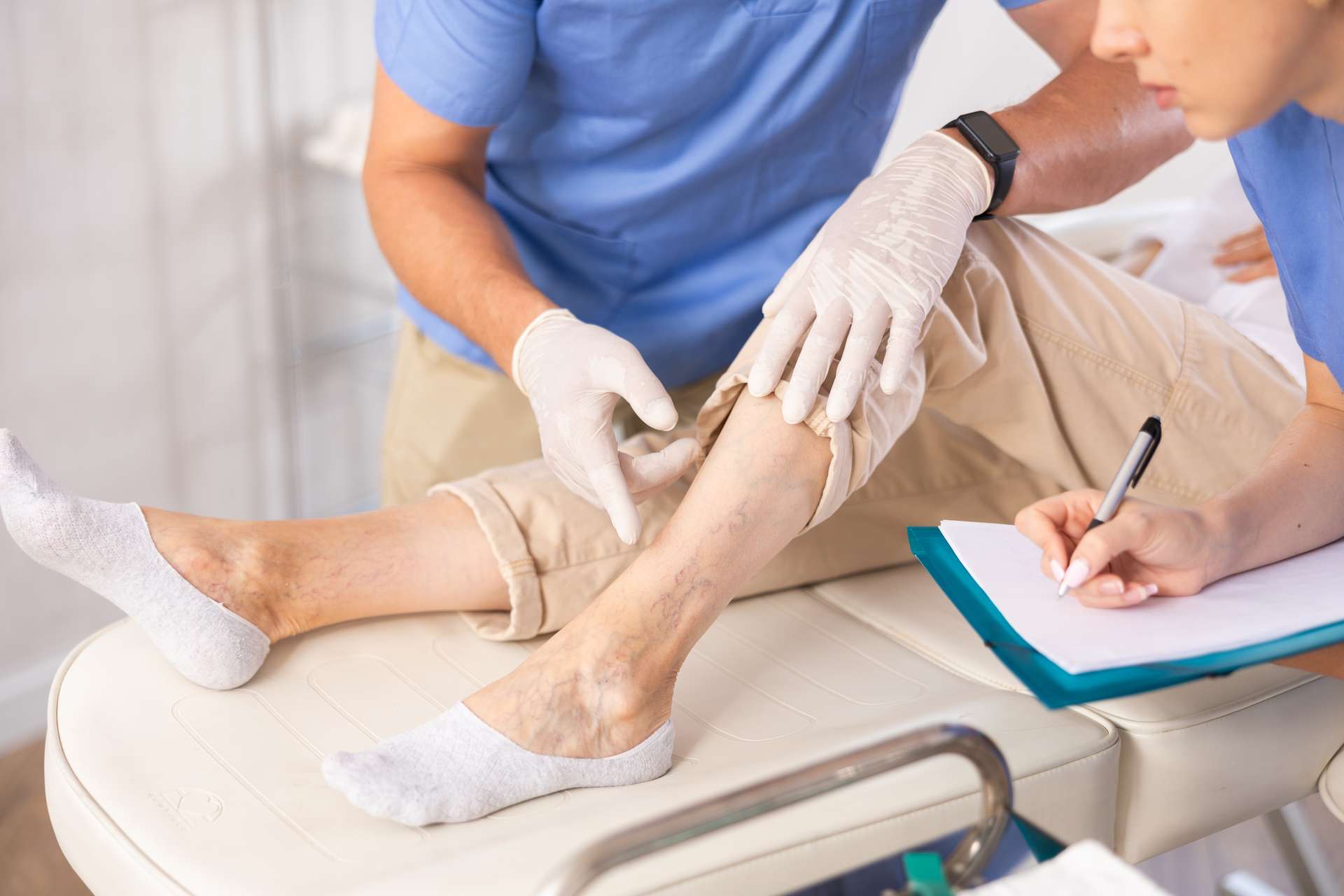
Varicose veins are enlarged, twisted veins that commonly appear on the legs. Spider veins are smaller red, purple or blue vessels that branch near the skin’s surface.
While many patients seek vein treatment for cosmetic reasons, these veins can also cause symptoms such as:
- Leg heaviness
- Swelling
- Itching
- Fatigue
- Tenderness
- Restlessness in the legs
In some cases, untreated varicose veins can lead to skin changes, ulcers or blood clot complications. A vascular specialist can determine whether treatment is medically necessary and recommend the most effective option.
Leg Swelling or Skin Changes
Swelling in your lower legs or ankles should never be ignored, especially when it occurs regularly or affects only one leg. You may also notice:
- Skin discoloration
- Tightness
- Dry or irritated skin
- Thickening skin around the ankles
- Slow-healing wounds
These symptoms may indicate that you have chronic venous insufficiency or another circulation disorder. Getting a diagnosis and beginning treatment early may help reduce your discomfort and prevent further complications.
Numbness, Coldness, or Weak Pulses in the Legs
Artery disease can reduce blood flow to the legs and feet. This may cause symptoms such as:
- Cold feet or legs
- Numbness
- Weak pulses
- Slow wound healing
- Pain while walking
- Toe discoloration
These symptoms may be signs of a clogged artery or peripheral artery disease, both of which can increase the risk of severe circulation problems if left untreated.
Sudden Leg Swelling or Deep Vein Thrombosis Symptoms
Deep vein thrombosis (DVT) occurs when a blood clot forms in a deep vein, usually in the leg. This condition can become dangerous if the clot travels to the lungs.
Symptoms of deep vein thrombosis may include:
- Sudden swelling in one leg
- Warmth
- Tenderness
- Redness
- Leg pain
DVT should always be treated as a medical concern. Prompt evaluation by a vascular specialist is important to reduce the risk of complications.
Slow-Healing Wounds or Ulcers
Poor circulation can make it difficult for wounds to heal properly. Patients with vascular disease may develop ulcers or sores on the feet, ankles or legs that do not improve over time. Non-healing wounds may increase the risk of infection and tissue damage. Vascular treatment may help improve blood flow and support healing.
What Happens During a Vascular Consultation?
A vascular consultation typically begins with a review of symptoms, medical history and lifestyle factors. Dr. Shaheen may use diagnostic imaging, such as ultrasound, to evaluate blood flow and identify abnormalities in veins or arteries.
At Shaheen Vascular, Dr. Shaheen develops individualized treatment plans based on each patient’s condition, symptoms and goals. Depending on the diagnosis, treatment options may include:
- Minimally invasive vein treatment
- Compression therapy
- Lifestyle recommendations
- Endovascular procedures
- Surgical intervention
- Blood clot management
- Artery repair procedures
Many modern vascular treatments involve minimal downtime so you can return to your normal activities relatively quickly.
Why It’s Important to Treat Vascular Conditions Early
Many vascular conditions worsen over time. Mild discomfort or a cosmetically bothersome vein can eventually progress into more serious circulation problems.
Early vascular treatment may help:
- Improve circulation
- Reduce leg pain and swelling
- Prevent blood clots
- Lower the risk of ulcers
- Improve mobility
- Enhance appearance
- Reduce future complications
Seeking vascular care early often means you have more treatment options and achieve better long-term outcomes.
Schedule a Vascular Evaluation in Mountain View and San Jose, CA
If you are experiencing leg pain, swelling, visible veins, circulation issues or symptoms of vein blockage or artery disease, it may be time to see a vascular surgeon.
The team at Shaheen Vascular offers comprehensive evaluations and advanced vein treatment options to help patients improve circulation, relieve symptoms and protect their vascular health. Early diagnosis and treatment can make a significant difference in both comfort and long-term wellness.
Do not ignore ongoing leg discomfort, visible varicose veins or signs of poor circulation. Schedule a consultation with us to receive a personalized vascular evaluation and learn which treatment options may be right for you.