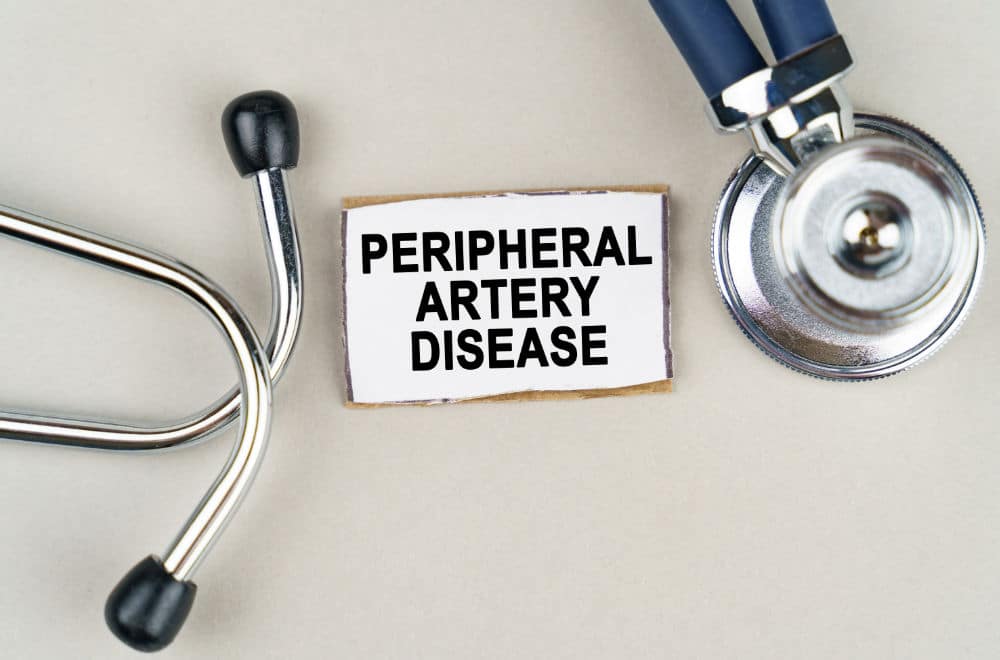
If you are beginning to explore whether you may have peripheral artery disease (PAD) or are learning how to manage it, the experience can feel isolating. However, we work with many patients who share these same concerns, and there are more tools and clearer information today to help you understand what is happening in your body and how to respond.
At Shaheen Vascular in Mountain View, CA, we support patients through medical decision-making as well as the frustration that can come with the condition. We will cover what to expect from diagnosis to recovery and give you strategies for managing your PAD both in the office and at home.
What Is Peripheral Artery Disease?
Peripheral artery disease (PAD) happens when the arteries that carry oxygen-rich blood from your heart to your limbs become narrowed or blocked by a buildup of fatty material, known as plaque, in the artery walls. A clogged artery limits blood flow to your legs and can cause pain or cramping when you walk or exercise. This is because the muscles are not getting enough blood for the work they are doing. PAD can also reduce blood flow at rest and cause wounds that heal slowly because tissues are not getting the oxygen and nutrients they need.
Common Signs and Symptoms of PAD
About 1 in 5 people with peripheral artery disease have no noticeable symptoms. When symptoms do appear, they can vary widely from person to person. However, some of the most common symptoms experienced include:
- Pain, aching, heaviness, cramping or burning in your legs or feet during walking or exercise that goes away with rest
- Numbness or weakness in the legs or feet
- A feeling of coldness in just one foot or lower leg
- Slow-healing sores or wounds on your toes, feet or legs
- Changes in skin color or texture, including shiny skin or less hair growth on the legs
Causes and Risk Factors
Peripheral artery disease most often develops due to atherosclerosis, where plaque made of cholesterol, fat, calcium and fibrous material builds up inside the arteries and limits blood flow. When this narrowing affects arteries in the legs and feet, muscles and tissues may not receive enough oxygen during activity and, in more advanced cases, even at rest. Conditions such as high cholesterol, high blood pressure, diabetes and smoking can accelerate plaque buildup.
Other risk factors include being 65 years or older, having a family history of PAD, or having unhealthy lifestyle habits like lack of exercise or poor diet. Conditions that raise your risk of PAD include diabetes, high blood pressure, fibromuscular dysplasia and kidney disease.
How Peripheral Artery Disease Is Diagnosed
Clinical History and Physical Examination
Diagnosis of PAD begins with a discussion of your symptoms, medical history and family history, along with a physical exam. During the exam, we check pulses in the legs and feet and listen for abnormal blood flow sounds. We will also look for physical signs that suggest reduced circulation. A complete examination helps us separate PAD from other causes of leg pain, such as varicose leg veins or nerve and muscle-related conditions.
Diagnostic Tests Commonly Used
- Ankle-brachial index (ABI): The ABI compares blood pressure at your ankle to blood pressure in your arm to see how well blood is reaching the legs. A lower ratio suggests reduced arterial flow and can point to the presence and severity of PAD. This test is often the first step when PAD is suspected.
- Doppler ultrasound: Doppler ultrasound uses sound waves to show how blood moves through the arteries and can identify narrowed areas or blockages. It also measures blood flow speed, which helps assess how much circulation has been affected in different parts of the leg.
- Angiography: Angiography provides detailed images of the leg arteries using contrast dye and imaging technology such as CT or MRI. This test is typically used when we need a clearer map of blood vessels or when symptoms are more advanced.
- Blood tests: Blood work helps identify contributing factors that affect artery health, including cholesterol levels, blood sugar control and markers linked to inflammation.
Treatment Options for Peripheral Artery Disease
Lifestyle-Based Management
Making changes in daily habits can improve your circulation in general and lessen symptoms. Supervised exercise programs help muscles adapt and improve blood flow. Other important changes are quitting smoking, eating foods lower in saturated fats and managing conditions such as diabetes or high blood pressure. This is often the first step in PAD management and can be sufficient to treat milder cases.
Medications
When lifestyle changes alone are not enough, medications for peripheral artery disease treatment may help reduce symptoms and treat causes like hypercholesterolemia or diabetes that contribute to plaque buildup. Sometimes medications that influence blood flow or pain with walking are also part of the overall plan.
Minimally Invasive and Surgical Treatments
If symptoms persist despite lifestyle changes and medicine, we may discuss procedures that open or bypass narrowed arteries. These can include angioplasty and stenting or more involved surgical options when needed.
- Angioplasty and Stenting: Angioplasty uses a small balloon to gently widen a narrowed artery and may be followed by placement of a stent to help keep that vessel open.
- Bypass Surgery: Bypass surgery creates a new route around a blocked artery using a vessel from another part of your body or a synthetic graft. This option is considered when blockages are extensive or other treatments have not provided enough relief.
- Thrombolytic Therapy: When a blood clot is blocking an artery, thrombolytic therapy delivers a clot-dissolving drug directly to the affected area through injection to break up the clot and improve blood flow.
Recovery After PAD Treatment
After addressing arterial peripheral disease through lifestyle changes, medication or a procedure, the focus shifts to how you feel and how you can resume more activity safely. Your recovery may include gentle walking and gradually increasing your activity level to improve your circulation and condition your muscles. We will also monitor any wounds and make sure they are healing well, and adjust your care plan if you have any new symptoms or concerns.
Living Well With Peripheral Artery Disease
At Shaheen Vascular, we provide comprehensive evaluation and vein treatment options led by Dr. Raymond Shaheen, whose background in vascular and endovascular surgery gives you access to both minimally invasive and surgical approaches. Our practice serves patients throughout Mountain View, CA, and we are a local resource for ongoing management and monitoring of vascular diseases and concerns.
We offer treatments for varicose veins, spider veins, deep vein thrombosis, vein blockage, clogged arteries, and more. If you have questions about symptoms or next steps, reach out through our online form or call 650-965-1909 to request an appointment.